Quick take:
- Warner Robins property owners typically choose between forestry mulching and traditional mechanical clearing, each suited to different terrain and goals.
- Forestry mulching leaves ground cover in place and reduces erosion risk, while bulldozing or grading produces a fully bare, build-ready lot faster.
- Choosing the right method depends on property size, vegetation density, intended use, and drainage conditions common to Middle Georgia soil.
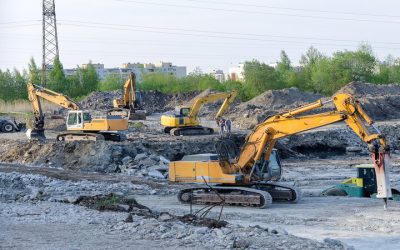
Preparing a wooded or overgrown lot for construction, farming, or general use starts with picking the right clearing method for the terrain and end goal. Two main approaches dominate the Middle Georgia market: forestry mulching, which grinds vegetation into ground cover on site, and traditional mechanical clearing, which removes material entirely for a bare, graded surface.
Property owners researching land clearing in Warner Robins, GA, often find that the right choice depends less on personal preference and more on soil type, slope, and what comes next for the land. A construction-ready homesite has different requirements than a rural acreage tract meant for light recreational use.
Comparing the Two Main Clearing Approaches
Each method handles vegetation, debris, and soil differently, which affects cost, timeline, and long-term land condition.
| Factor | Forestry Mulching | Traditional Mechanical Clearing |
| Debris handling | Ground on-site, no hauling | Piled or hauled away |
| Soil disturbance | Minimal, mulch layer protects topsoil | Higher, often requires grading afterward |
| Erosion risk | Lower immediately after clearing | Higher until seeding or stabilization |
| Best suited for | Wooded or brush-heavy tracts, selective clearing | Full lot prep before grading or foundation work |
Forestry mulching is often favored on properties where erosion control matters, since the shredded material acts as an immediate ground cover rather than leaving bare soil exposed to rain.
Why Soil and Drainage Shape the Decision
Middle Georgia’s clay-heavy soil and seasonal rainfall patterns influence which method performs better on a given site.
- Sloped or sandy sections tend to erode faster once vegetation is stripped away completely.
- Mulched ground reduces runoff because the chipped material slows water movement across the surface.
- Sites near creeks, ditches, or low-lying areas may require additional erosion controls regardless of the clearing method chosen.
According to EPA guidance on stormwater erosion control, mulching stabilizes exposed soil surfaces and can reduce stormwater velocity while improving infiltration. This makes it a practical first step on many wooded or brush-heavy properties before grading or construction begins, particularly where runoff control is a concern.
Matching the Method to the Project Type
Not every property needs the same approach, and the intended use of the land often narrows the decision quickly.
- New home construction usually calls for a combination approach: mulching dense brush first, then grading the building pad.
- Rural acreage or hunting land often benefits from selective clearing that opens access without stripping the entire tract.
- Driveway and access road prep typically requires more complete removal along the path, with mulching handling the surrounding buffer zones.
- RV or campsite preparation generally favors lighter, selective clearing to preserve shade trees and natural screening.
Property size also factors into which equipment makes sense, since larger acreage can make mulching more cost-effective by eliminating hauling fees entirely.
Frequently Asked Questions
Is forestry mulching faster than traditional clearing? It depends on vegetation density and property size, but mulching often processes wooded or brush-heavy tracts in a single pass, which can shorten timelines compared to cutting, piling, and hauling debris separately.
Does mulched land still need grading afterward? Many construction projects still require grading after mulching to establish a level building pad, though mulching reduces the amount of debris removal needed beforehand.
Can clearing method affect erosion on sloped property? Yes. Methods that leave ground cover in place, such as mulching, generally reduce erosion risk compared to approaches that strip soil completely bare before stabilization work begins.
What should be checked before clearing near a creek or wetland area? Properties near waterways may be subject to additional permitting or erosion control requirements, so confirming local and state guidelines before work begins is a practical first step.
Choosing between mulching and traditional clearing ultimately comes down to terrain, drainage, and what the land will be used for next. Vaquero Landworks is a veteran-owned company serving property owners across Central Georgia with forestry mulching, grading, and site preparation for wooded and rural tracts.